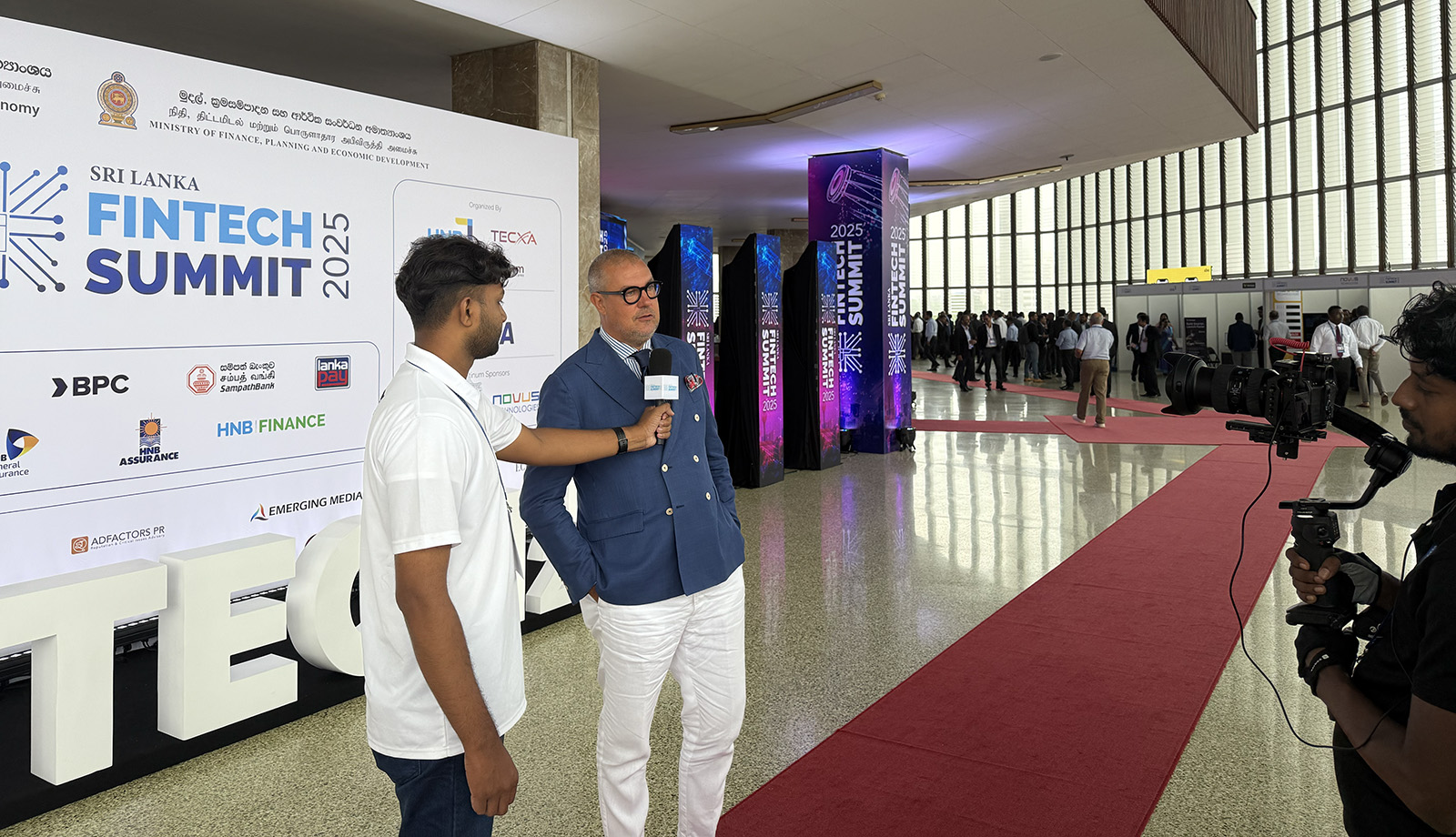
When Sri Lanka hosted its first-ever fintech conference, it marked more than the rise of new financial technologies—it opened a conversation about how digital systems could reshape society. Among the voices shaping this dialogue was DesignOne, led by Founder and Chairman Dhananjana Ameresekere (Dan), Chief Business Development Officer Gianluca Bin, and senior leaders Azam Huk and Minoli Peiris. Together, they presented a vision for tokenised urban development, proposing cities funded, governed, and shared through blockchain-based ownership.
Architecture Meets Fintech: A New Paradigm for Cities
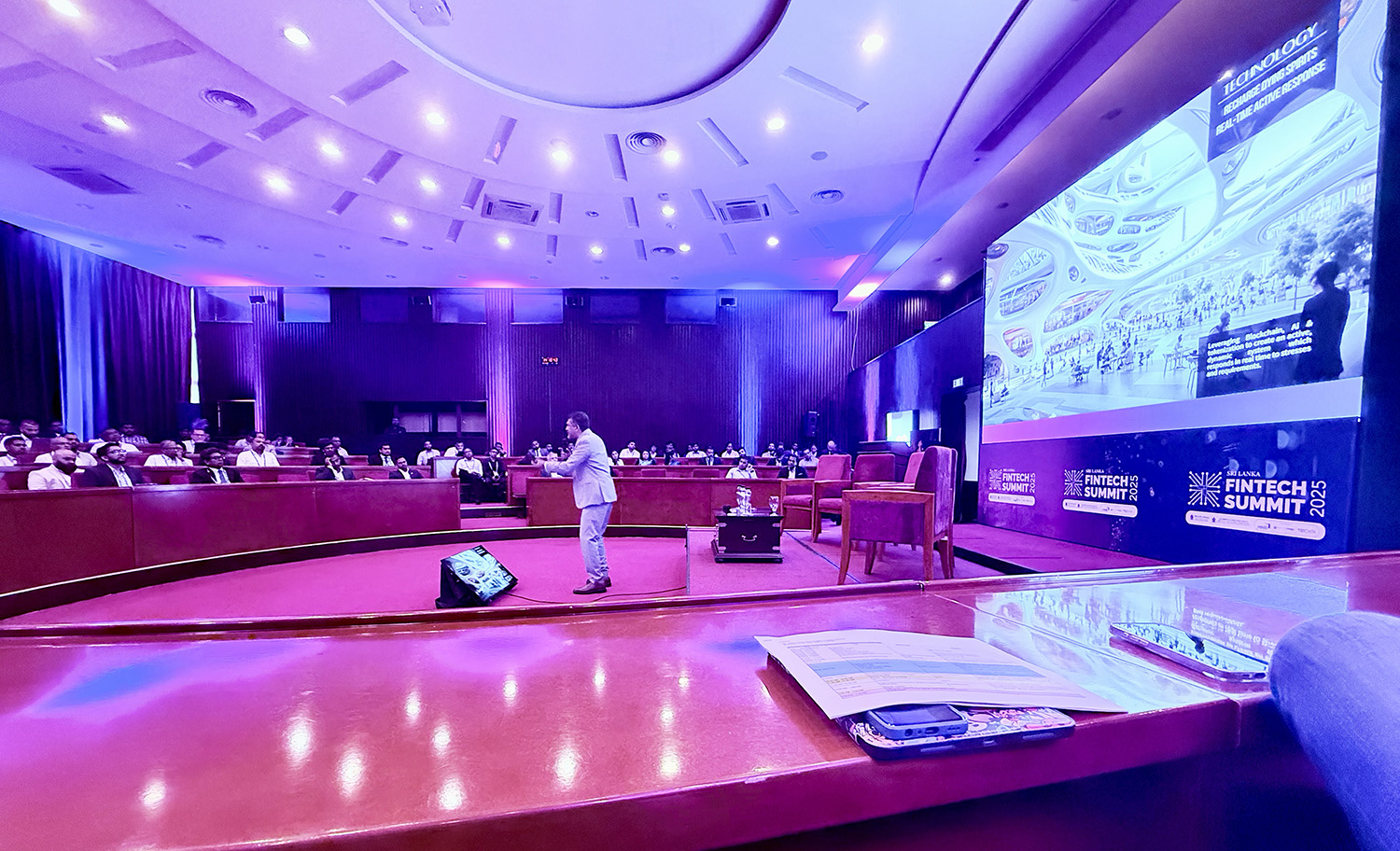
During the presentation, Dan highlighted how architecture and fintech intersect. “Architecture gives form to community, while tokenisation opens new pathways to access and inclusion,” he said. By combining design with blockchain, the city becomes not just a place to live, but a platform for participation and shared growth.
DesignOne’s approach challenged traditional development models. Instead of a single investor controlling a district, tokenisation allows citizens to hold real, tradable stakes in urban growth, making city-building a collective enterprise.
Crowdfunding the City: Tokenised Real Estate Concepts
Central to DesignOne’s presentation was a tokenised real estate framework, inspired by their experimental urban prototype, City2100. The concept applies crowdfunding logic at an urban scale:
-
Parcels of real estate are digitally fractionalised.
-
Individuals can invest in and benefit from growth over time.
-
Access expands for young professionals, middle-income families, and the diaspora, opening doors historically reserved for elite investors.
Gianluca explained: “Imagine crowdfunding a city, where each person holds a real stake in its future.”
Beyond Finance: Social Impact and Civic Participation
What set DesignOne apart from conventional fintech pitches was its moral and social dimension. Tokenisation is a tool for dignity and inclusion, enabling small investments to create meaningful opportunities for communities.
Dan noted, “This is about giving the small man a chance—a chance to own a piece of the city, to belong, to grow with it.”
The concept reframed tokenisation as civic participation rather than speculation, resonating with an audience grappling with housing, inclusion, and equitable urban growth.
Panel Discussion: Architects in the Age of Tokenisation
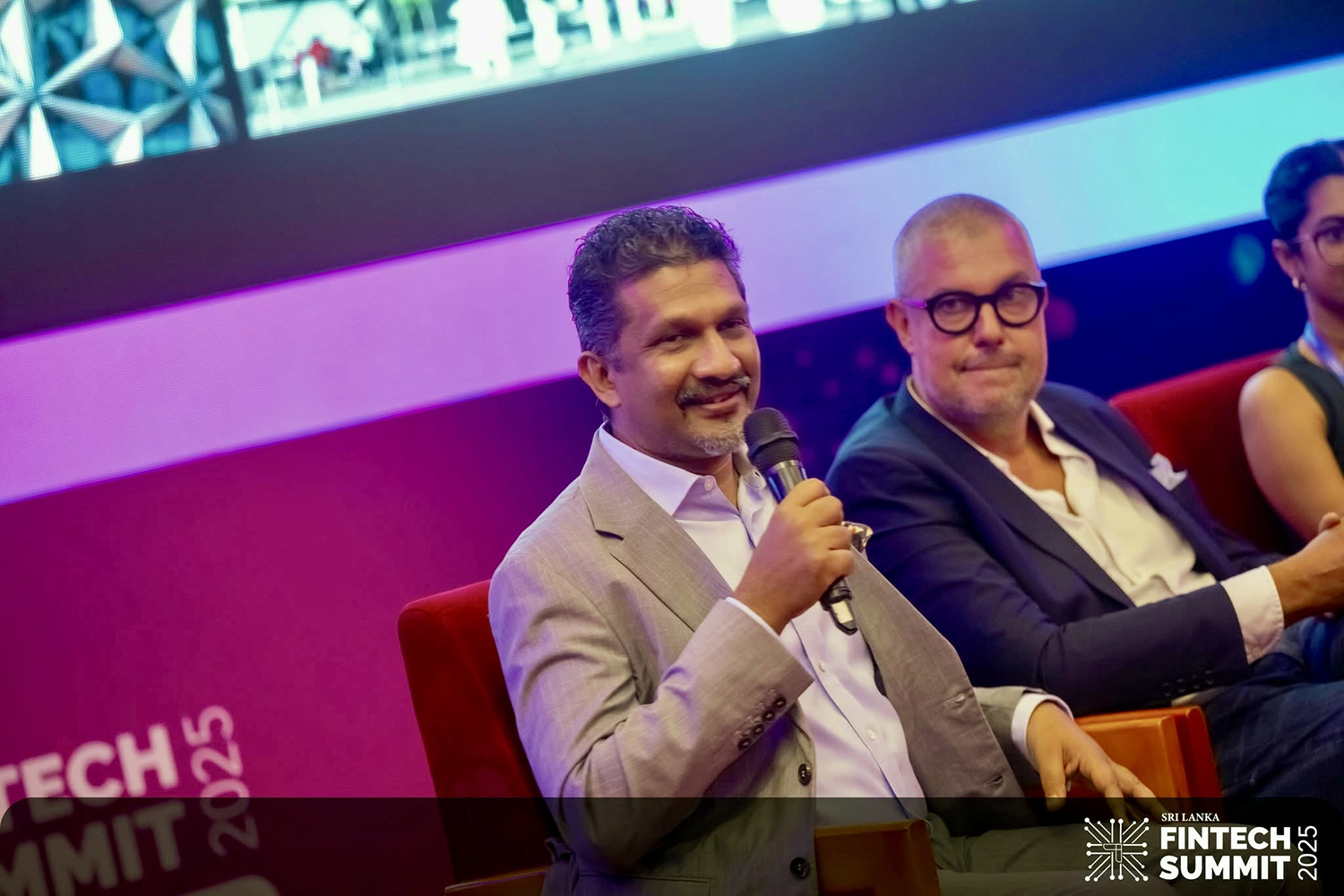
Following the keynote, Dan and Gianluca were joined by Azam Huk and Minoli Peiris for a panel exploring:
-
Regulatory realities for tokenised real estate
-
Market readiness for blockchain-backed urban projects
-
Design governance and ethical considerations
-
Social responsibilities of architects in emerging financial systems
The panel concluded with a dynamic Q&A, addressing affordability, transparency, environmental impact, and inclusion safeguards, underscoring the urgency for architects to engage across disciplines early in the design process.
A New Role for Architects in Co-Authored Cities
DesignOne’s vision reframes architects as system orchestrators rather than mere building designers. They act as mediators between technology and human experience, collaborating with planners, economists, technologists, regulators, and communities from day one.
Gianluca emphasized: “The city of tomorrow will be co-authored, not commissioned.”
The City of Tomorrow: Everyone Holds a Key
As the conference concluded, the message from DesignOne was clear: tokenised real estate is not just a financial innovation—it’s a cultural shift. Architecture and blockchain together can democratise ownership, participation, and community growth.
Dan concluded: “In the city of tomorrow, everyone deserves a key.”
DesignOne at Sri Lanka’s first fintech conference demonstrated that the future of urban development may be written not only in concrete and steel, but in code, collaboration, and collective ownership.